Newborn jaundice and its causes, symptoms and treatment
November 15, 2026
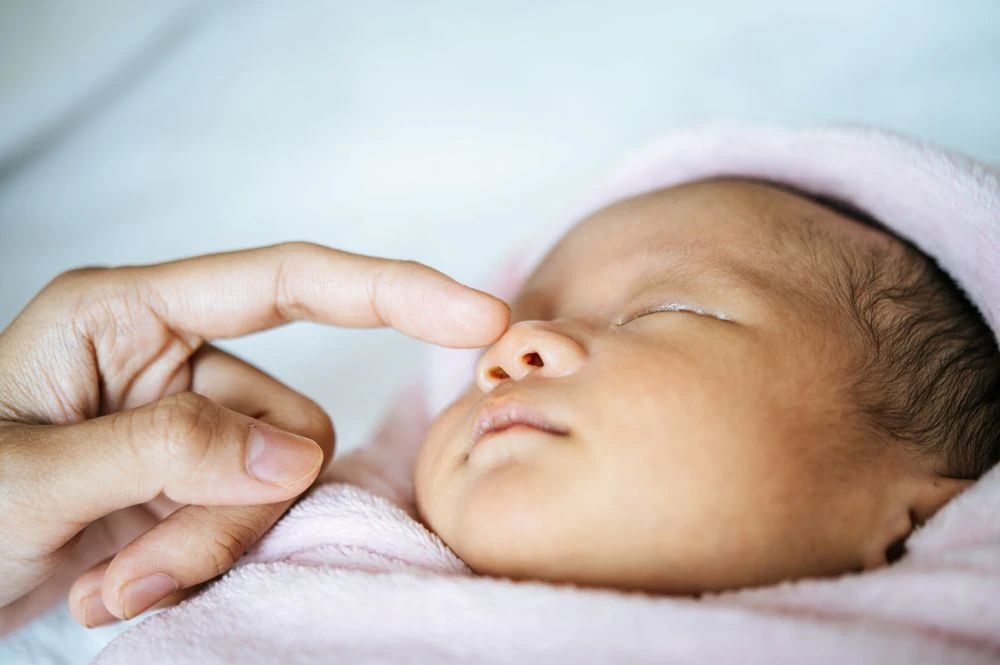
The arrival of a newborn brings great joy to any family, but it also brings with it concerns about the baby’s health and well-being. One of the most common conditions observed during the first few days of life is newborn jaundice. Characterised by yellowish discolouration of the skin and eyes, newborn jaundice occurs in a significant proportion of babies.
Although most cases are mild and can be resolved with appropriate monitoring, some newborns develop high bilirubin levels that require prompt medical treatment. Understanding the causes, symptoms, and available treatment options can help parents recognise when their baby needs medical attention.
What Is Newborn Jaundice?
Newborn jaundice, also known as neonatal jaundice, occurs when a yellow pigment called bilirubin accumulates in the baby’s bloodstream. Bilirubin is produced naturally when the body breaks down old red blood cells. The liver processes bilirubin so that it can be eliminated from the body.
In newborns, the liver is still developing and may not process bilirubin efficiently during the first few days after birth. This can result in temporary bilirubin accumulation, causing the skin and whites of the eyes to appear yellow. Jaundice commonly develops between the second and fourth days after birth, although its onset and duration vary.
What Causes Jaundice in Newborn Babies?
Several factors may contribute to neonatal jaundice.
Physiological Jaundice: This is the most common form of newborn jaundice. It occurs because the baby’s liver is still maturing and cannot process bilirubin as efficiently as an adult liver. This usually develops after the first 24 hours of life and often resolves without treatment, although bilirubin monitoring may still be necessary.
Premature Birth: Premature babies are more likely to develop jaundice because their liver function is less mature. They may also require treatment at lower bilirubin levels than full-term babies.
Inadequate Milk Intake: Newborns who are not receiving sufficient breast milk or formula may become dehydrated or pass fewer stools, slowing bilirubin elimination. This condition is sometimes called suboptimal intake jaundice.
Breast Milk Jaundice: Some healthy, well-fed breastfed babies develop prolonged jaundice associated with substances in breast milk that influence bilirubin processing. Breastfeeding can generally continue, but the baby should be assessed to exclude other causes.
Blood Group Incompatibility: Differences between the mother’s and baby’s blood groups, including Rh or ABO incompatibility, can sometimes cause increased breakdown of the baby’s red blood cells. This may lead to rapidly rising bilirubin levels.
Other Medical Conditions: Infections, inherited enzyme disorders such as G6PD deficiency, bruising during delivery, and certain liver or bile duct conditions may also cause neonatal jaundice.
Common Symptoms of Newborn Jaundice
The most recognisable symptom is yellowish discolouration of the skin and eyes. While visual assessment alone cannot reliably determine bilirubin levels, particularly in babies with darker skin tones, and medical testing is important when jaundice is suspected, other signs may include:
- Yellowing of the face, chest, abdomen, or limbs
- Yellow discolouration of the whites of the eyes
- Excessive sleepiness
- Difficulty feeding
- Poor sucking or reduced interest in feeding
- Unusual irritability
When Can Newborn Jaundice Become Dangerous?
Most newborn jaundice is manageable. However, extremely high levels of unconjugated bilirubin can affect the brain. In rare but severe cases, bilirubin toxicity can cause acute bilirubin encephalopathy and permanent neurological injury known as kernicterus.
Warning signs that require immediate medical attention include:
- Extreme drowsiness or difficulty waking the baby
- Refusal to feed
- Unusual high-pitched crying
- Abnormal stiffness, arching, or limpness
- Fever or seizures
Jaundice appearing within the first 24 hours after birth always requires urgent medical evaluation. Parents should also seek medical advice for pale or chalky stools, dark urine, or jaundice that persists beyond the expected period.
How Is Newborn Jaundice Diagnosed?
Doctors assess jaundice through clinical examination and bilirubin measurement. The decision to initiate treatment depends on several factors, including the baby’s age in hours, gestational age, bilirubin level, and individual risk factors. While additional investigations may be recommended if an underlying medical condition is suspected, the most commonly used tests are:
- Transcutaneous Bilirubin Test: A non-invasive device estimates bilirubin levels through the baby’s skin
- Serum Bilirubin Test: A blood test provides a more precise measurement and helps determine whether treatment is necessary.
Treatment Options for Newborn Jaundice
Treatment depends on the severity and cause of jaundice.
Regular Feeding and Monitoring: Babies with mild jaundice may only require adequate feeding and scheduled bilirubin monitoring. Frequent feeding supports hydration and helps the baby eliminate bilirubin through stools.
Phototherapy: Phototherapy is a commonly used and effective treatment for neonatal jaundice. During treatment, the baby is placed under specialised blue-spectrum lights that help convert bilirubin into forms the body can eliminate more easily. The baby’s bilirubin levels, temperature, hydration, and general condition are monitored throughout treatment.
Exchange Transfusion: In rare cases of dangerously high bilirubin levels, an exchange transfusion may be necessary. This specialised procedure replaces portions of the baby’s blood to rapidly reduce bilirubin levels and is performed in an appropriately equipped neonatal care setting.
Treatment of Underlying Conditions: If jaundice is caused by infection, blood group incompatibility, or another medical disorder, treatment is directed towards the underlying cause.
Can Newborn Jaundice Be Prevented?
While not all cases of newborn jaundice can be prevented, early detection and appropriate feeding can reduce the likelihood of serious complications. It is important for parents to ensure that:
- Their newborn receives regular and adequate feeds.
- Recommended bilirubin screening is completed before hospital discharge.
- Follow-up appointments are attended as advised.
- Any increase in yellow discolouration or feeding difficulty is reported promptly.
It is also important to note that direct sunlight should not be used as a substitute for medically supervised phototherapy.
Expert Opinion
Newborn jaundice is a common condition that occurs when excess bilirubin builds up in a baby's blood, causing yellowing of the skin and eyes. It commonly develops because a newborn's liver is still immature and may not be able to process bilirubin efficiently. While mild jaundice often resolves on its own, yellowing of the skin, poor feeding, unusual sleepiness or worsening symptoms should not be ignored. Timely bilirubin testing, regular feeding and phototherapy, when required, help manage the condition effectively. Early medical evaluation is essential to prevent complications.
- Dr Subha Roy
- Consultant Paediatrician
- Desun Hospital, Siliguri
Newborn jaundice is common and often temporary, but it should never be ignored. Early bilirubin screening, appropriate feeding, and timely treatment can prevent serious complications and support healthy newborn development. Desun Hospital Siliguri emphasises the importance of newborn health monitoring and timely consultation with a paediatrician or neonatologist whenever jaundice is suspected.
 90 5171 5171