Kidney Stones: Why They Keep Coming Back and How to Prevent Them
July 15, 2026
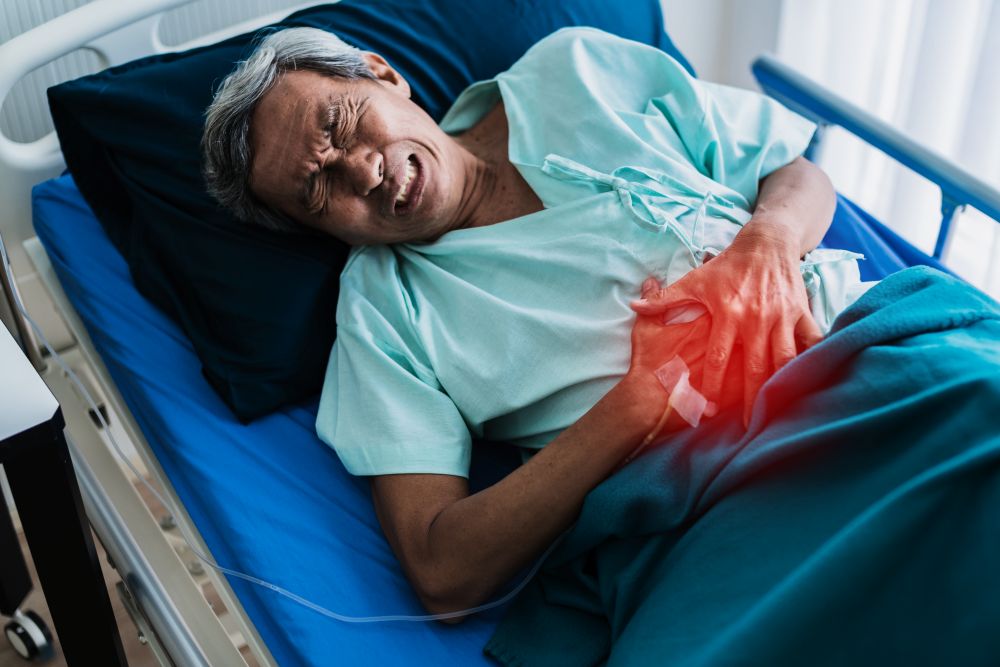
Kidney stones are one of the most common urinary tract conditions, affecting millions of people worldwide. While passing a kidney stone can be extremely painful, what many people don’t realise is that once you’ve had a kidney stone, you’re at a much higher risk of developing another.
In fact, without proper preventive measures, nearly 50% of people may experience another kidney stone within five years of their first episode. The good news is that most recurrent kidney stones can be prevented with the right lifestyle changes, dietary habits and medical guidance.
At
Desun Hospital Siliguri, our team of experienced urologists and nephrologists provides comprehensive evaluation, advanced treatment and personalised prevention plans to help patients reduce their risk of recurrent kidney stones.
What Are Kidney Stones?
Kidney stones are hard deposits made of minerals and salts that form inside the kidneys when certain substances in the urine become highly concentrated and crystallise. These crystals gradually combine to form stones of varying sizes.
Some stones are as tiny as grains of sand and pass unnoticed, while others can grow large enough to block the urinary tract, causing severe pain and complications.
Why Do Kidney Stones Keep Coming Back?
Having one kidney stone often means there are underlying factors that continue to promote stone formation. Unless these causes are identified and corrected, new stones can develop.
Some of the most common reasons include:
Inadequate Water Intake
Not drinking enough water is one of the leading causes of recurrent kidney stones. When urine becomes concentrated, minerals have a greater chance of crystallising and forming stones.
Dietary Habits
A diet high in salt, processed foods, animal protein and sugary beverages can increase the likelihood of stone formation. Excess sodium causes the kidneys to excrete more calcium into the urine, increasing the risk of calcium stones.
Family History
Genetics plays a significant role. If one or more close family members have had kidney stones, your own risk is considerably higher.
Certain Medical Conditions
Several health conditions increase the likelihood of stone formation, including:
- Diabetes
- Obesity
- High blood pressure
- Gout
- Hyperparathyroidism
- Recurrent urinary tract infections
- Chronic kidney disorders
Metabolic Abnormalities
Some people naturally excrete higher levels of calcium, oxalate or uric acid in their urine, making them more prone to recurrent stones.
Not Identifying the Stone Type
Kidney stones are not all the same. Without analysing the stone composition or performing metabolic evaluation, the underlying cause may remain untreated.
Common Types of Kidney Stones
Understanding the type of stone helps doctors recommend the most effective prevention strategy.
Calcium Stones: These account for nearly 80% of all kidney stones and usually consist of calcium oxalate or calcium phosphate.
Uric Acid Stones: More common in people with gout, diabetes and those consuming a high-protein diet.
Struvite Stones: Usually develop after recurrent urinary tract infections and can grow rapidly.
Cystine Stones: A rare inherited condition causes excessive cystine in the urine, leading to recurrent stones from a young age.
Symptoms of Kidney Stones
Small stones may not cause symptoms until they move within the urinary tract.
Common signs include:
- Severe pain in the back or side
- Pain radiating to the lower abdomen or groin
- Burning sensation during urination
- Blood in the urine
- Frequent urge to urinate
- Cloudy or foul-smelling urine
- Nausea and vomiting
- Fever and chills if infection is present
Persistent pain or fever requires immediate medical attention.
How Can Kidney Stones Be Prevented?
Preventing kidney stones often requires a combination of healthy habits and medical advice.
Drink Plenty of Water: Hydration is the most effective preventive measure. Most adults should aim to drink enough fluids to produce about 2 to 2.5 litres of urine daily, unless advised otherwise by their doctor. Water remains the best choice.
Reduce Salt Intake: Excess salt increases calcium levels in urine.
Limit in take of:
- Processed foods
- Pickles
- Chips
- Instant noodles
- Processed meats
- Restaurant and fast foods
Eat a balanced amount of Calcium. Many people mistakenly avoid calcium after developing kidney stones. However, dietary calcium actually helps reduce oxalate absorption in the intestine. Instead of restricting calcium unnecessarily, consume recommended amounts through food unless your doctor advises otherwise.
Limit High-Oxalate Foods: For people prone to calcium oxalate stones, moderation is important. Foods high in oxalates include:
- Spinach
- Beetroot
- Nuts
- Chocolate
- Tea
- Soy products
These foods do not need to be eliminated completely but should be balanced with adequate calcium intake.
Moderate Animal Protein: Large amounts of red meat, organ meat and certain seafood increase uric acid production, raising the risk of uric acid stones. Replacing some animal protein with plant-based protein sources may help reduce risk.
Maintain a Healthy Weight: Obesity is strongly associated with kidney stone formation. Regular physical activity and maintaining a healthy weight contribute to overall kidney health.
Follow Medical Advice: Patients with recurrent kidney stones may require:
Blood investigations that are required to determine presence of kidney stones:
- 24-hour urine analysis
- Stone analysis
- Ultrasound or CT scans
- Medications to reduce stone formation
Following prescribed treatment significantly lowers recurrence.
Why Follow-Up Matters
Many patients assume treatment ends once a stone has been removed or passed naturally. However, follow-up care is equally important because regular monitoring helps in detecting new stones early, to identify metabolic abnormalities, and assessing kidney function.
It is also important to modify treatment plans based on changing risk factors and preventive follow-ups can reduce the likelihood of repeated painful episodes.
When Should You See a Doctor?
Consult a healthcare professional if you experience:
- Severe pain in the side or back
- Blood in the urine
- Difficulty passing urine
- Fever with urinary symptoms
- Recurrent kidney stones
- Persistent urinary tract infections
Early evaluation can prevent complications and preserve kidney function.
Protect Your Kidneys with Expert Care
Kidney stones may recur, but they don’t have to become a lifelong problem. Understanding your individual risk factors and adopting preventive measures can significantly reduce the chances of future stones.
Expert Opinion
"Many people believe that once a kidney stone is removed, the problem is permanently solved. However, recurrence is common unless the underlying cause is identified and addressed. Every patient with kidney stones should undergo a proper evaluation to determine the type of stone and associated risk factors. Simple measures such as staying well-hydrated, following a balanced diet, reducing salt intake, and adhering to regular follow-up can significantly lower the risk of future stone formation and help protect long-term kidney health."
-Consultant Urologist
-Desun Hospital, Siliguri
At Desun Hospital Siliguri, our experienced specialists provide comprehensive diagnosis, advanced imaging, minimally invasive stone treatment and personalised prevention plans tailored to every patient. From first-time stone formers to those with recurrent kidney stones, we are committed to helping you protect your
kidney health and enjoy a pain-free life.
A small change in your daily habits today can help prevent another painful kidney stone tomorrow.
 90 5171 5171