Is Your Back Pain After 40 Normal Ageing or a Warning Sign of Spine Trouble?
October 15, 2026
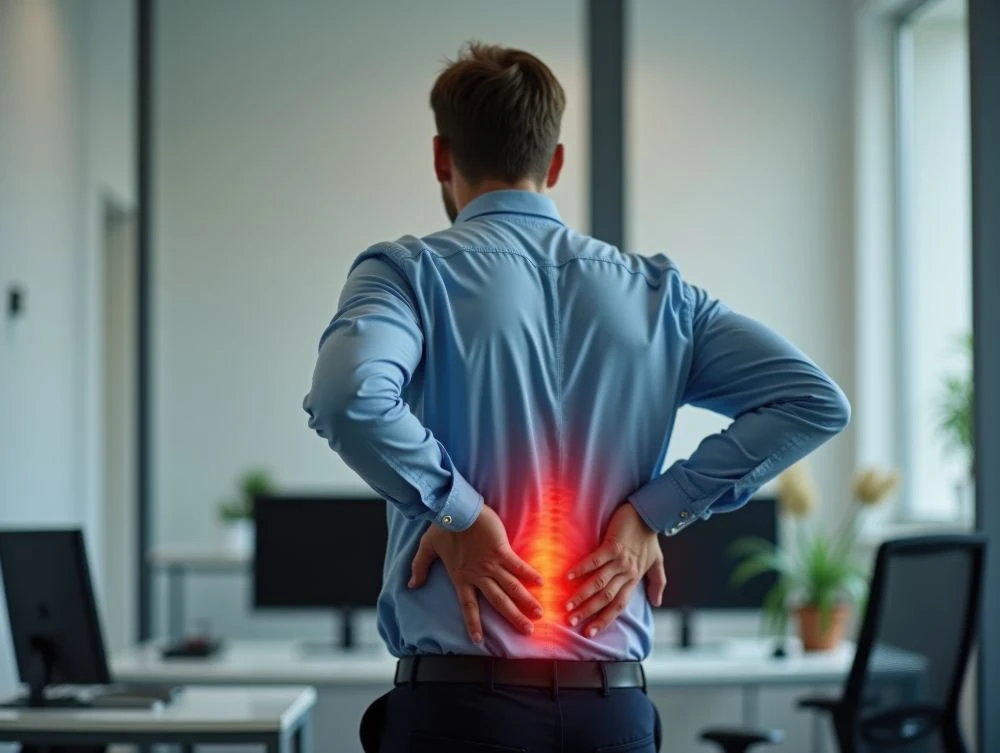
Back pain is often dismissed as an unavoidable part of growing older. After the age of 40, many people begin experiencing stiffness, discomfort or recurring pain in the lower back, particularly after sitting for long hours, travelling or engaging in physical activity.
While age-related changes in the spine can contribute to back pain, persistent discomfort should not automatically be attributed to ageing. Sometimes, back pain may indicate an underlying spinal condition that requires medical attention.
Understanding the difference between common muscular discomfort and warning signs of
spinal problems can help you take timely action.
Why does back pain become more common after 40?
The spine is a complex structure made up of vertebrae, intervertebral discs, joints, ligaments and nerves. Together, these structures support body weight, allow movement and protect the spinal cord. With increasing age, several changes may occur. However, these changes do not necessarily cause pain in everyone. Many people have age-related changes visible on scans without experiencing any symptoms.
Some common changes are:
Disc degeneration: The cushioning discs between vertebrae may gradually lose water content and flexibility.
Reduced muscle strength: Weak abdominal and back muscles provide less support to the spine.
Joint wear and tear: Changes in the small joints of the spine may cause stiffness and discomfort.
Reduced bone density: Osteoporosis can increase the risk of vertebral compression fractures.
Postural changes: Prolonged sitting, poor posture and inadequate physical activity can aggravate back discomfort.
Five common causes of back pain after 40
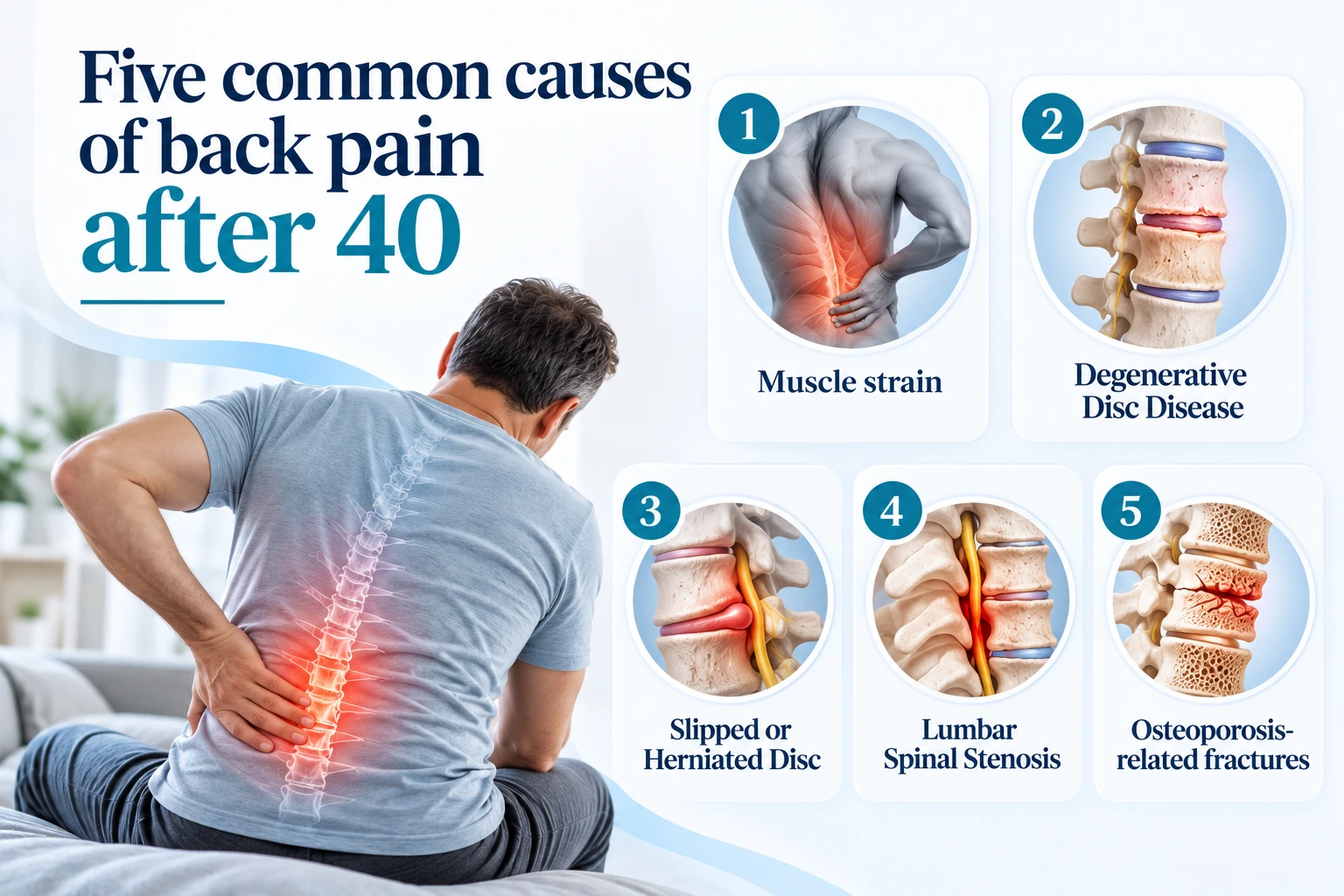
- Muscle strain: Muscle strain is one of the common causes of back pain. It may occur after lifting heavy objects, sudden movements, exercising without preparation or maintaining an uncomfortable posture for extended periods. The pain may improve with appropriate activity modification and time.
- Degenerative Disc Disease: The discs between the vertebrae act as shock absorbers. As they age, they may become thinner, less flexible or damaged. This can sometimes cause persistent back pain, particularly during certain movements or prolonged physical activity.
- Slipped or Herniated Disc: A herniated disc occurs when the inner material of a spinal disc pushes through its outer layer. If it presses against nearby nerves, it may cause pain radiating from the back into the buttocks or legs. This may be accompanied by tingling, numbness or weakness.
- Lumbar Spinal Stenosis: Spinal stenosis refers to narrowing of the spaces within the spine, which may put pressure on nerves. People with lumbar spinal stenosis may experience pain, numbness or weakness in their legs, particularly while standing or walking. Symptoms may improve when sitting or bending forward.
- Osteoporosis-related fractures: Osteoporosis weakens bones and makes them more vulnerable to fractures. Sometimes, a vertebral compression fracture may occur following a minor fall or even routine activity. Sudden back pain, particularly in older adults or people with osteoporosis risk factors, should be evaluated.
When is back pain more than normal ageing?
Certain symptoms suggest that back pain may be associated with a more significant underlying condition. While these symptoms do not automatically indicate a serious spinal disorder, but these need proper medical evaluation.
You should watch out for:
- Pain that persists for several weeks without improvement
- Pain that radiates from the lower back into one or both legs
- Numbness, tingling or weakness in the legs
- Difficulty walking or maintaining balance
- Pain that becomes worse at night or interferes with sleep
- Sudden, severe back pain following a fall or injury
- Unexplained weight loss accompanied by persistent back pain
- Fever or feeling generally unwell along with back pain
Important warning signs: Severe back pain accompanied by new difficulty passing urine, loss of bladder or bowel control, numbness around the genitals or anus, or progressive leg weakness requires immediate emergency assessment. These may indicate compression of nerves in the lower spine.
How is the cause of back pain diagnosed?
A proper diagnosis begins with a detailed medical history and physical examination. Your doctor may assess your posture, spinal movement, muscle strength, reflexes and sensation. While not everyone with back pain requires imaging, investigations are recommended based on clinical assessment and the possibility of an underlying condition.
Depending on the symptoms and clinical findings, investigations may include:
X-ray to help assess bone alignment, fractures and certain degenerative changes
MRI, which provides detailed images of discs, nerves, spinal cord and soft tissues
CT scan, which may be recommended to evaluate certain bone-related conditions
Bone density test, to help identify osteoporosis in individuals at risk
Seven habits to protect your spine after 40
 Stay physically active:
 Walking, swimming and appropriate strengthening exercises can help maintain mobility and muscle support.
Maintain a healthy weight: Excess body weight can increase mechanical stress on the lower back.
Correct your posture: Avoid prolonged slouching. Keep your workstation ergonomically arranged.
Take movement breaks: If your job involves sitting for long hours, get up and move around periodically.
Lift objects correctly: Bend your knees, keep the object close to your body and avoid twisting while lifting.
Strengthen core muscles: Exercises prescribed by a physiotherapist can improve spinal stability.
Pay attention to bone health: Adequate calcium and vitamin D intake, appropriate physical activity and osteoporosis screening when indicated can help protect bone health.
Can back pain be treated without surgery?
Many causes of back pain can be managed through non-surgical approaches, depending on the diagnosis. Treatment may also include
physiotherapy, supervised exercises, activity modification and medication prescribed by a doctor. Certain conditions may require specialised interventions or surgery, particularly when there is significant nerve compression, instability or progressive neurological weakness.
You must always keep in mind that self-medication, particularly with painkillers over prolonged periods, should be avoided.
Expert Opinion
“Back pain becomes more common after 40 due to age-related changes in the spine, muscle weakness, poor posture and reduced physical activity. However, persistent or worsening pain should not always be dismissed as normal ageing, as it may indicate conditions such as a slipped disc, spinal stenosis or degenerative spine disease. Maintaining an active lifestyle, strengthening the back muscles and practising proper posture can help support spinal health. Back pain accompanied by leg weakness, numbness or bladder or bowel control problems requires urgent medical evaluation.”
-Consultant Orthopaedics
-Desun Hospital, Siliguri
Do not let back pain become a part of your everyday life
Back pain after 40 is common, but persistent or worsening discomfort should not be considered an inevitable consequence of ageing. Recognising warning signs and seeking timely medical advice can help prevent complications and improve mobility.
At
Desun Hospital, Siliguri, patients can consult specialists for the evaluation and management of back pain, spinal disorders and other musculoskeletal conditions.
Your spine supports you every day. Give it the attention and care it deserves.
 90 5171 5171