September 22, 2026High blood pressure is often associated with middle age and older adults. However, hypertension can affect young adults as well, and because it frequently produces no obvious symptoms, many people may not realise that their blood pressure is elevated.
The good news is that blood pressure can be measured easily. Recognising elevated readings early provides an opportunity to address lifestyle factors and, when necessary, begin appropriate medical treatment.
Several recent studies by top healthcare associations have highlighted the importance of blood pressure levels during young adulthood, with higher levels associated with increased risks of heart and kidney disease later in life.
What is high blood pressure?
Blood pressure is the force exerted by circulating blood against the walls of the arteries.
It is recorded as two numbers:
Systolic pressure is the pressure when the heart contracts.
Diastolic pressure is the pressure when the heart relaxes between beats.
A single elevated reading does not necessarily indicate the presence of hypertension. Blood pressure can vary due to stress, physical activity, caffeine, illness, and other factors. Diagnosis generally requires appropriate measurements taken on more than one occasion.
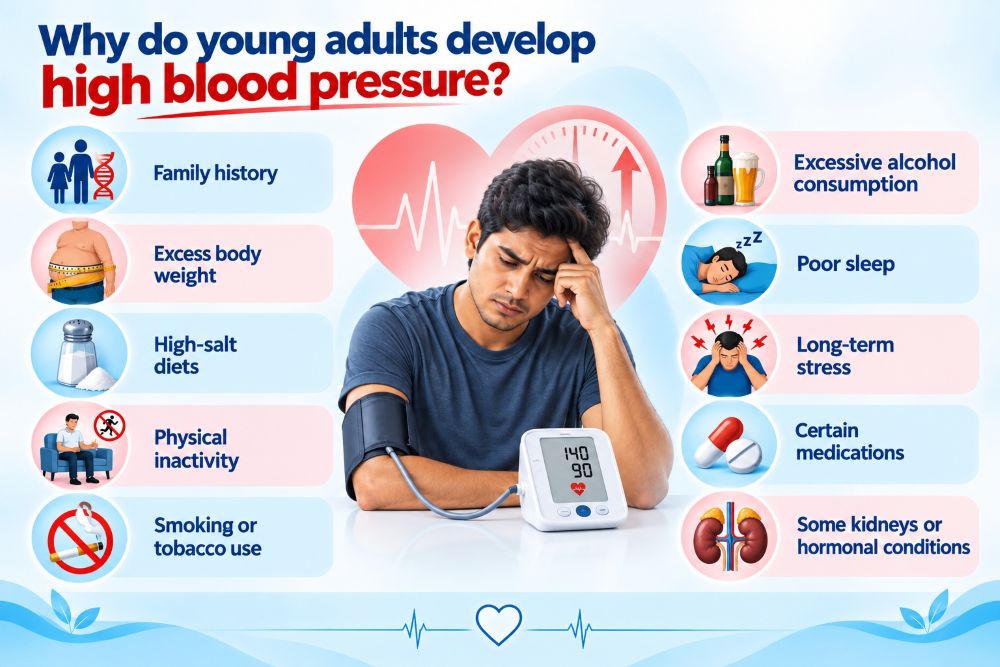
Why do young adults develop high blood pressure?
Several factors can contribute, including the following:
Family history
Excess body weight
High-salt diets
Physical inactivity
Smoking or tobacco use
Excessive alcohol consumption
Poor sleep
Long-term stress
Certain medications
Some kidneys or hormonal conditions
For some younger patients, an underlying medical condition may contribute to hypertension. Therefore, persistently elevated blood pressure should be medically evaluated rather than automatically attributed to lifestyle factors.
“I feel perfectly healthy. Why should I check my BP?”
This is one of the biggest challenges associated with hypertension. Most people with high blood pressure have no symptoms. A person may feel energetic, exercise regularly, and have no headaches or dizziness while still having elevated blood pressure.
Routine blood pressure measurement is important instead of waiting for symptoms. Headaches, dizziness, or a feeling of pressure in the head are sometimes attributed to high blood pressure. However, these symptoms are not reliable indicators of whether someone has hypertension.
The only way to know your blood pressure is to measure it directly. Young adults should pay particular attention if they have a family history of hypertension, are overweight, smoke, consume a high-salt diet, have diabetes or kidney disease, or lead a highly sedentary lifestyle.
How can young adults protect their blood pressure?
Small lifestyle changes can make meaningful differences.
Watch your salt intake: Excessive sodium intake can contribute to high blood pressure. Reduce reliance on highly processed foods, packaged snacks, instant foods, and foods with excessive added salt. The World Health Organization recommends keeping salt intake below 5 grams per day for adults.
Stay physically active: Regular physical activity supports cardiovascular health and can help prevent and manage hypertension. Adults should aim for at least 150 minutes of moderate-intensity physical activity per week or an equivalent amount of vigorous activity, alongside muscle-strengthening activity on two or more days per week.
Maintain a healthy weight: Excess body weight can increase the risk of hypertension. A balanced diet combined with regular physical activity can help maintain a healthy weight.
Do not smoke: Tobacco use affects cardiovascular health and contributes to cardiovascular risk. Quitting tobacco is an important step towards protecting your heart and blood vessels.
Prioritise sleep: Poor sleep and irregular sleep patterns can affect overall cardiovascular health. Establishing a consistent sleep routine can be part of a healthier lifestyle.
Manage stress: Work pressure, academic demands, financial concerns, and prolonged screen exposure can contribute to unhealthy routines. Regular physical activity, adequate sleep, relaxation techniques, and maintaining social connections can help support overall well-being.
Expert Opinion
“High blood pressure is not only a concern for older adults; young people can develop it too. Stress, lack of physical activity, unhealthy diet, excess weight, smoking, poor sleep and family history can increase the risk. Since hypertension often has no obvious symptoms, regular blood pressure checks are important. Detecting and managing high blood pressure early can help protect the heart, brain and kidneys in the long run.”
-Consultant Cardiologist
-Desun Hospital, Siliguri
When is high blood pressure an emergency?
Very high blood pressure accompanied by symptoms such as chest pain, shortness of breath, weakness or numbness, vision changes, or difficulty speaking requires urgent medical assessment. The American Heart Association considers a blood pressure reading above 180/120 mm Hg with such symptoms as a hypertensive emergency. ([www.heart.org][6])
High blood pressure does not wait until retirement age. Your age is not a reason to ignore your blood pressure. Young adults can develop hypertension, often without any obvious warning signs. Regular blood pressure checks, a healthy diet, physical activity, maintaining a healthy weight, and avoiding tobacco can help reduce cardiovascular risk.
At Desun Hospital, Siliguri, individuals concerned about elevated blood pressure can seek medical evaluation and guidance based on their health profiles.
 90 5171 5171
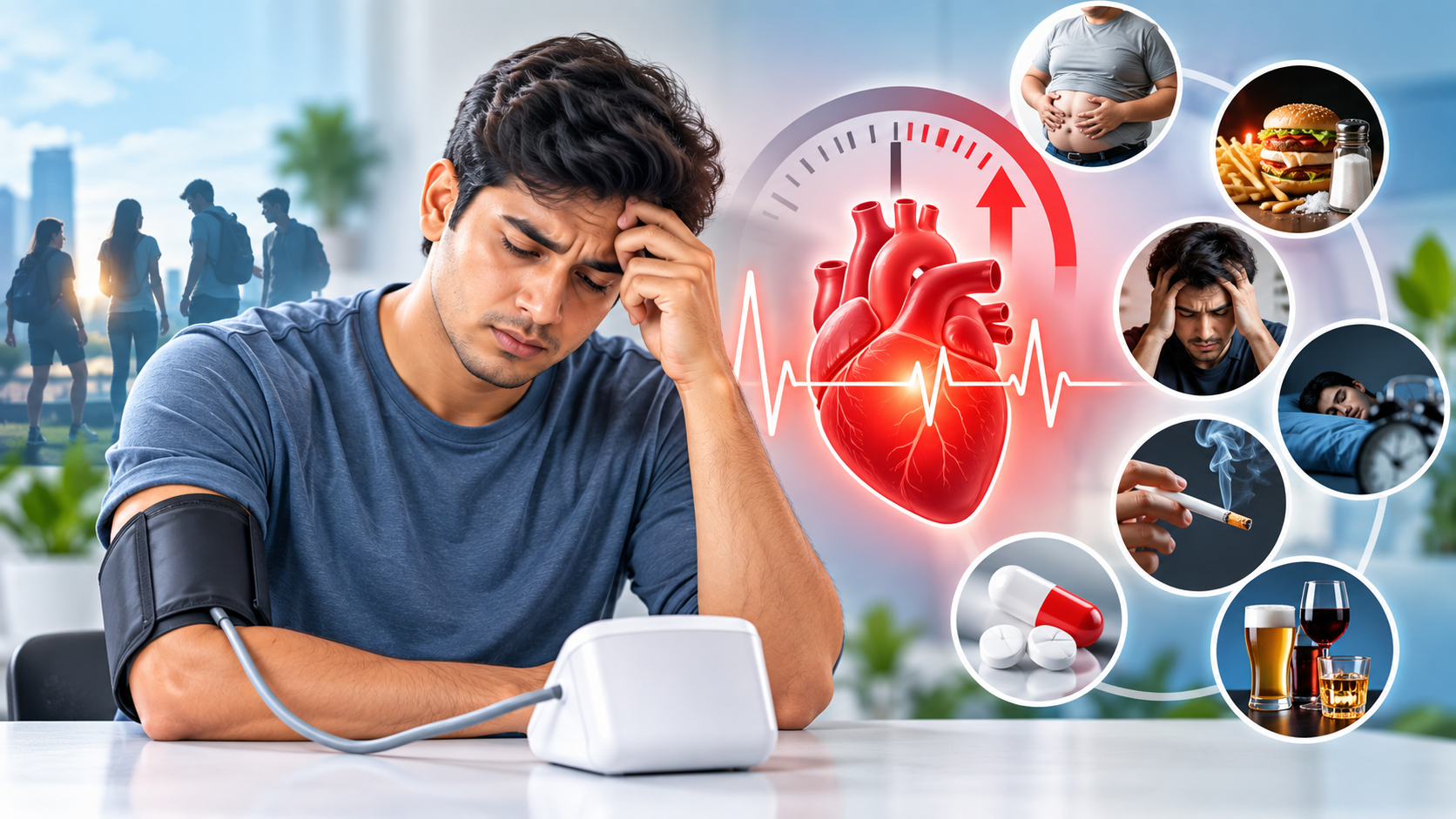 High blood pressure is often associated with middle age and older adults. However, hypertension can affect young adults as well, and because it frequently produces no obvious symptoms, many people may not realise that their blood pressure is elevated.
 Several factors can contribute, including the following: