First Aid for Burns: What to Do in the First 10 Minutes
July 5, 2026
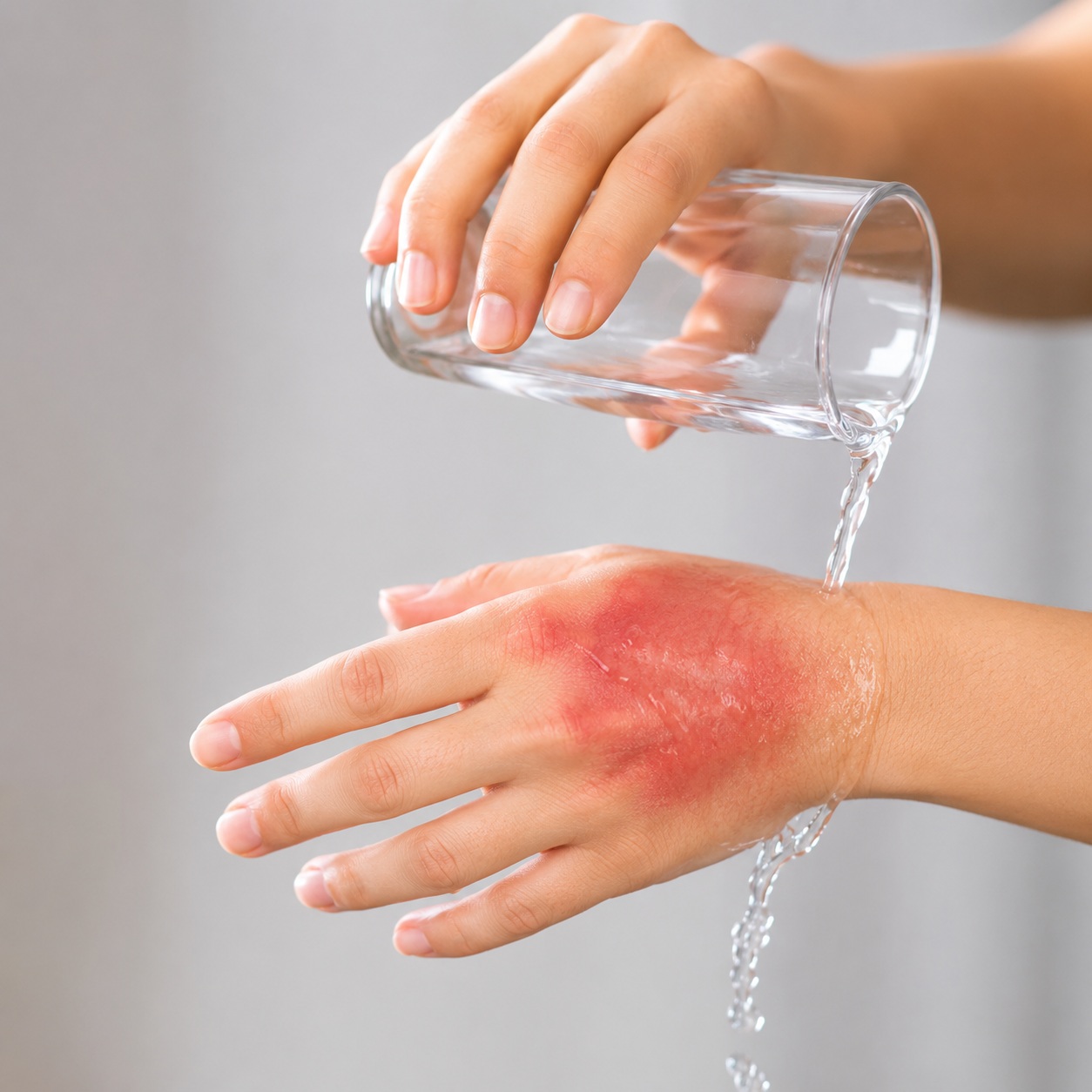 Burn injuries
 can happen in an instant, while cooking in the kitchen, handling hot liquids, using electrical appliances, or even during festive celebrations involving fire. While some burns are minor and heal with basic care, others can cause serious damage to the skin and underlying tissues, requiring immediate medical attention.
The first 10 minutes after a burn injury are critical. The right first aid can reduce pain, limit tissue damage, lower the risk of infection and improve healing. On the other hand, common home remedies and myths can often make the injury worse.
At
Desun Hospital Siliguri, we believe that knowing the correct first aid measures can make a significant difference in the outcome of a burn injury.
Understanding Burn Injuries
Burns occur when the skin is damaged by heat, electricity, chemicals, radiation or friction. Depending on the severity, burns are classified into different degrees.
First-Degree Burns: These affect only the outer layer of the skin (epidermis). Symptoms include redness, mild swelling and pain. A mild sunburn is a common example.
Second-Degree Burns: These involve deeper layers of the skin and usually cause blisters, intense pain, swelling and redness.
Third-Degree Burns: These destroy all layers of the skin and may extend into deeper tissues. The skin may appear white, charred, leathery or blackened. Surprisingly, these burns may not be painful initially because nerve endings have been damaged. They require urgent emergency care.
The First 10 Minutes: What You Should Do
- Move Away from the Source of the Burn
Immediately remove yourself or the injured person from the source of heat, fire, steam, electricity or chemicals.
If clothing has caught fire, remember the simple rule: Stop, Drop and Roll. This helps extinguish the flames quickly.
- Cool the Burn with Running Water
Hold the burned area under cool (not cold) running water for at least 20 minutes if possible. If running water is unavailable immediately, begin cooling as soon as you can.
Cooling the burn helps to:
- Reduce pain
- Limit damage to deeper tissues
- Decrease swelling
- Improve healing
Avoid using ice or ice-cold water, as extreme cold can damage already injured skin and reduce blood flow.
- Remove Tight Items
Do not forcefully remove clothing that has stuck to the burn. But before swelling develops, gently remove:
- Rings
- Watches
- Bracelets
- Tight clothing around the burned area
- Cover the Burn
Covering the burn protects it from infection and reduces pain caused by exposure to air. After cooling, loosely cover the burn with:
- A clean sterile dressing
- Sterile gauze
- A clean, non-fluffy cloth
- Keep the Person Comfortable
If possible, keep the burned area elevated above heart level to minimise swelling. Monitor the injured person for signs of shock, especially if the burn is extensive.
What You Should Never Do
Many traditional remedies are still commonly used, but they can worsen the injury. These substances can trap heat inside the skin, increase the risk of infection and interfere with medical treatment.
Avoid applying:
- Toothpaste
- Butter or ghee
- Coconut oil
- Ink
- Turmeric
- Flour
- Coffee powder
- Raw egg
- Mud or soil
Also avoid:
- Bursting blisters
- Applying cotton directly to the wound
- Using adhesive bandages on burned skin
Special Situations
Chemical Burns: Remove contaminated clothing carefully. Rinse the affected area immediately with plenty of running water for at least 20 minutes. Avoid trying to neutralise the chemical with another substance unless instructed by a healthcare professional.
Electrical Burns: Electrical burns may appear minor on the surface but can cause severe internal injuries. Switch off the power source before touching the person. Do not approach if the electrical source is still active. Seek immediate medical attention, even if the burn appears small.
When Should You Visit a Hospital Immediately?
Seek emergency medical care if:
- The burn is larger than the person's palm.
- The face, hands, feet, joints or genital area is affected.
- The burn appears deep, white, charred or leathery.
- Blisters are extensive.
- The burn is caused by electricity or chemicals.
- The person has difficulty breathing after exposure to smoke or flames.
- The injured person is a child, elderly individual or someone with chronic medical conditions.
- Signs of infection develop, such as increasing redness, swelling, pus or fever.
Can Minor Burns Be Managed at Home?
Small, superficial burns often heal within one to two weeks with proper care. However, even seemingly minor burns should be assessed by a doctor if:
- Pain is severe.
- Blisters are large.
- Healing is delayed.
- The burn becomes infected.
- The injury affects movement or daily activities.
Preventing Burns at Home
Many burns can be prevented with simple precautions.
- Keep children away from hot cooking areas
- Turn pot handles inward while cooking
- Check the temperature of bath water before use
- Keep electrical wiring in good condition
- Store chemicals safely and out of children’s reach
- Never leave candles or open flames unattended
- Use caution while handling pressure cookers, hot oil and boiling liquids
Expert Opinion
"The first few minutes after a burn injury are crucial and can significantly influence the extent of tissue damage and recovery. Cooling the burn immediately under cool running water and avoiding home remedies such as toothpaste, butter, oil or turmeric can prevent further injury and reduce the risk of infection. Any burn that is deep, extensive, caused by electricity or chemicals, or affects sensitive areas such as the face, hands, feet or genital region should be evaluated by a specialist without delay. Prompt medical care not only improves healing but also helps minimise long-term complications and scarring.”
-Consultant Plastic and Reconstructive Surgeon
-Desun Hospital, Siliguri
Expert Burn Care at Desun Hospital Siliguri
Burn injuries require prompt assessment and appropriate treatment to minimise complications and promote faster healing. At Desun Hospital Siliguri, our experienced emergency physicians, surgeons and critical care specialists provide comprehensive care for burns ranging from minor injuries to complex cases requiring advanced management.
Being the only burn treatment centre in North Bengal, with round-the-clock emergency services, advanced wound care and multidisciplinary support, we are committed to delivering timely, compassionate and evidence-based treatment for every patient.
Remember the Golden Rule
If someone suffers a burn, stay calm and act quickly:
- Move away from the source of the burn
- Cool the affected area under cool running water
- Cover the burn with a clean dressing
- Avoid home remedies
- Seek medical attention whenever the burn is severe or you are unsure about its extent
The right first aid in the first 10 minutes can significantly reduce the severity of a burn and improve recovery. Knowing what to do, and what not to do, can make all the difference when every minute counts.
 90 5171 5171