Fatty Liver Disease: Can It Be Reversed Without Surgery?
July 22, 2026
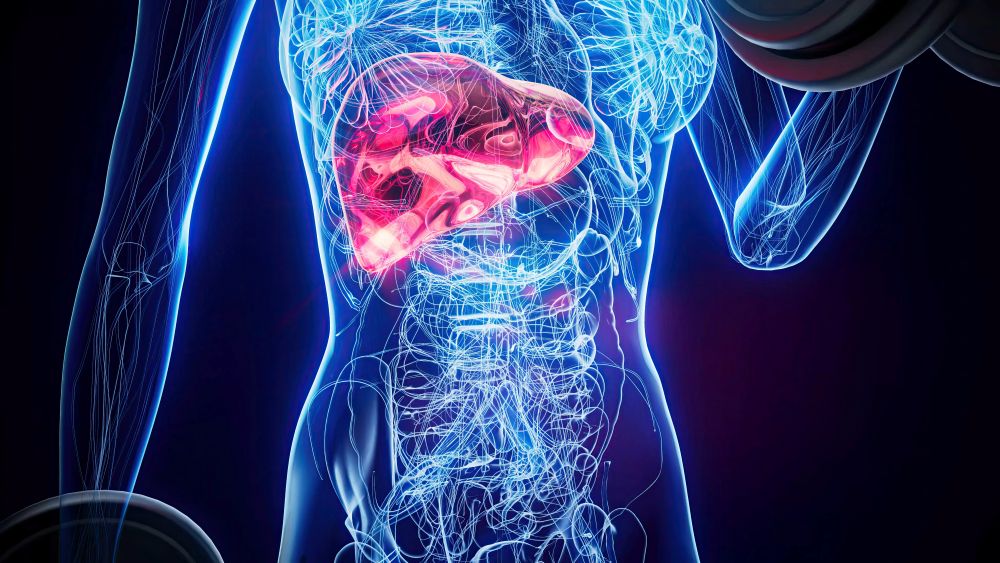
Fatty liver disease has emerged as one of the fastest-growing lifestyle disorders in India. Once considered a condition associated with excessive alcohol consumption, it is now increasingly affecting people who do not consume alcohol at all. Sedentary lifestyles, unhealthy eating habits, obesity, diabetes, and rising stress levels have contributed to a sharp increase in cases across the country.
Today, doctors are diagnosing fatty liver not only in middle-aged adults but also in younger individuals during routine health check-ups. The good news is that fatty liver disease can often be reversed without surgery, provided it is detected early and managed with timely medical intervention and sustained lifestyle changes.
Understanding Fatty Liver Disease
The liver plays a vital role in digestion, metabolism, detoxification, and nutrient storage. When excess fat accumulates in the liver cells, typically more than 5% of the liver’s weight, it is known as fatty liver disease.
In India, majority of cases are linked to Metabolic Dysfunction-Associated Steatotic Liver Disease (MASLD), previously known as
Non-Alcoholic Fatty Liver Disease (NAFLD). This condition is closely associated with obesity, diabetes, high cholesterol, hypertension, and metabolic syndrome.
While fatty liver often develops silently, if left untreated it may progress to liver inflammation, scarring or fibrosis, cirrhosis, and, in some cases, liver failure or liver cancer.
Why is Fatty Liver Becoming So Common in India?
Recent studies estimate that nearly one in three Indian adults may have fatty liver disease, making it a significant public health concern.
Several lifestyle and health factors contribute to this rising trend:
- Increasing rates of obesity and abdominal fat
- Type-2 diabetes and insulin resistance
- High cholesterol and triglyceride levels
- Sedentary work culture with prolonged sitting
- Diets rich in refined carbohydrates, fried foods, sweets, and sugary beverages
- Excessive alcohol consumption
- Polycystic Ovary Syndrome (PCOS)
- Family history of metabolic disorders
Interestingly, many Indians develop fatty liver despite having a normal body weight. This condition, often referred to as “lean fatty liver,” is particularly common in the Indian subcontinent because they tend to accumulate fat around internal organs even without appearing overweight.
Can Fatty Liver Be Reversed Without Surgery?
Yes. In most cases, early-stage fatty liver disease can be reversed without surgery. Unlike many chronic diseases, fatty liver responds remarkably well to healthy lifestyle modifications. The liver has an impressive ability to repair itself when the underlying causes are addressed.
Surgery is not a standard treatment for fatty liver disease. It may be considered only in carefully selected patients with severe obesity who meet specific medical criteria for bariatric surgery. For the vast majority of patients, treatment focuses on weight management, dietary changes, regular exercise, and control of associated medical conditions.
Lifestyle Changes That Can Reverse Fatty Liver
- Lose Weight Gradually
One of the most effective ways to reverse fatty liver is achieving healthy and sustained weight loss.
Doctors generally recommend losing 5 to 10% of your body weight, which has been shown to reduce liver fat, improve liver function, and even reverse early liver damage.
Avoid crash diets or rapid weight-loss programmes, as these may actually worsen liver health.
- Follow an Indian Diet That Supports Liver Health
Managing fatty liver does not require expensive or exotic foods. Simple modifications to everyday Indian meals can make a significant difference.
Foods to Choose:
- Whole wheat rotis instead of refined flour products
- Brown rice or millets whenever possible
- Plenty of seasonal vegetables and salads
- Dals, sprouts, legumes, and pulses
- Fresh fruits in moderation
- Lean protein such as fish, eggs, skinless chicken, or paneer
- Healthy cooking methods like steaming, grilling, or sautéing
Reduce consumption of Food items:
- Fried snacks
- Sweets and desserts
- Bakery products made from refined flour
- Sugary tea, soft drinks, and packaged juices
- Processed and fast foods
- Excess alcohol
Small, consistent dietary improvements are far more effective than temporary restrictive diets.
- Stay Physically Active
Exercise helps reduce liver fat even before noticeable weight loss occurs.
Aim for at least 150 minutes of moderate physical activity each week, such as:
- Brisk walking
- Cycling
- Swimming
- Yoga
- Light strength training
Even a daily 30-minute walk can significantly improve overall metabolic health.
- Control Diabetes, Blood Pressure and Cholesterol
Fatty liver rarely exists in isolation. Managing blood sugar,
blood pressure, and cholesterol levels plays an equally important role in preventing liver damage. Regular medical follow-up and adherence to prescribed medications are essential.
- Avoid Self-Medication
Many herbal supplements and products marketed as “liver detox” or “liver cleansing” remedies lack scientific evidence. Some may even cause liver injury.
Always consult a qualified gastroenterologist before taking any supplements or alternative medicines.
What Are the Symptoms?
Fatty liver is often called a silent disease because most people experience no symptoms during the early stages.
Some patients may develop:
- Persistent fatigue
- A feeling of heaviness or discomfort in the upper right side of the abdomen
- Unexplained weakness
- Mild elevation of liver enzymes detected during routine blood tests
Since symptoms are often absent, regular health check-ups become especially important for individuals with
diabetes, obesity, hypertension, or high cholesterol.
How is Fatty Liver Diagnosed?
Diagnosis usually involves a combination of clinical evaluation and investigations, including:
- Liver function tests (LFTs)
- Ultrasound of the abdomen
- FibroScan to assess liver stiffness and fat accumulation
- Additional blood tests to identify underlying causes
- CT or MRI in select cases
These investigations help determine whether the condition is limited to fat accumulation or has progressed to inflammation or fibrosis.
When Should You Consult a Doctor?
Seek medical evaluation if you:
- Have diabetes or pre-diabetes
- Are overweight or obese
- Have high cholesterol or triglycerides
- Consume alcohol regularly
- Have been diagnosed with fatty liver on ultrasound
- Have persistently abnormal liver function tests
- Experience persistent fatigue or abdominal discomfort
Early diagnosis offers the best opportunity to reverse the condition and prevent long-term complications.
Fatty liver disease is becoming increasingly common in India, but it is not a condition to ignore. Left untreated, it can silently progress to serious liver disease. Fortunately, most patients diagnosed in the early stages can reverse fatty liver without surgery through sustained lifestyle changes, healthy eating, regular exercise, and proper management of associated medical conditions.
The earlier treatment begins, the greater the chances of restoring normal liver function and preventing irreversible damage.
Expert Opinion
"Fatty liver disease often progresses silently, and many patients remain unaware until it is detected during routine investigations. The encouraging aspect is that early-stage fatty liver is usually reversible through timely diagnosis, healthy lifestyle modifications, weight management, and proper control of diabetes, cholesterol, and other metabolic conditions. Regular follow-up and personalised medical guidance are essential to prevent progression to advanced liver disease."
-Consultant Gastroenterologist
- Desun Hospital, Siliguri
Expert Fatty Liver Care at Desun Hospital Siliguri
At
Desun Hospital Siliguri, our experienced
gastroenterologists provide comprehensive evaluation and personalised treatment for fatty liver disease. From advanced diagnostic facilities such as liver function testing, ultrasound, and FibroScan to customised nutrition counselling and long-term medical management, our multidisciplinary team focuses on helping patients improve liver health without unnecessary surgical intervention.
If you have diabetes, obesity, abnormal cholesterol levels, or have recently been diagnosed with fatty liver, don’t delay seeking medical advice. Early intervention can make all the difference in protecting your liver and your overall health.
 90 5171 5171