Changing Weather, Cough and Wheezing: Is It Seasonal Allergy or Autumn Asthma?
October 5, 2026
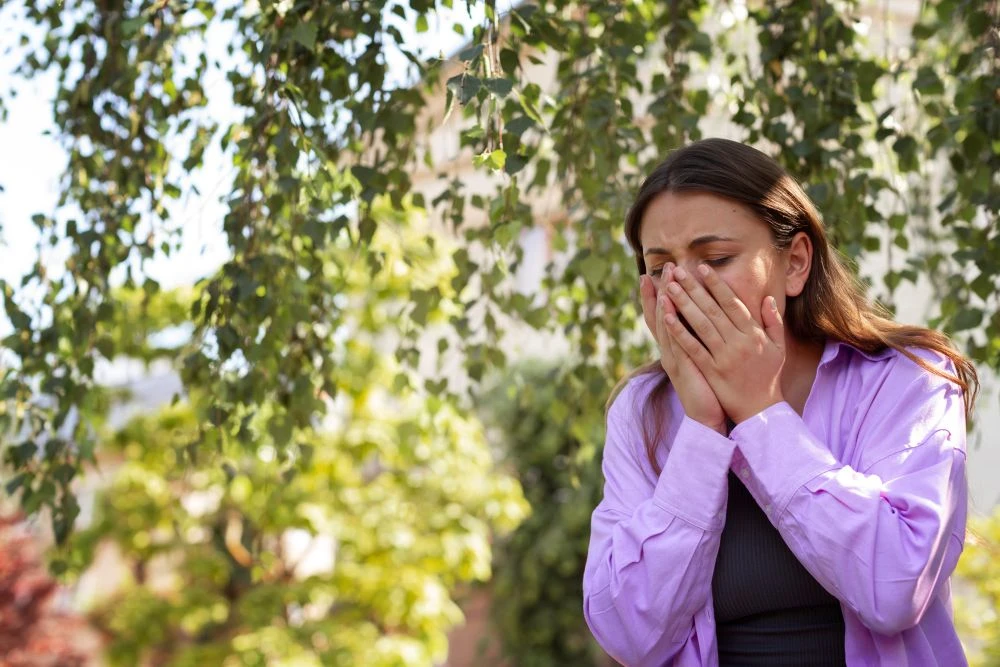
As the weather begins to change, many people experience sneezing, a runny nose, throat irritation,
persistent coughing or difficulty breathing. These symptoms are often dismissed as common seasonal allergies or a temporary reaction to changing temperatures.
However, for some individuals, particularly those with a history of respiratory problems, changing weather can trigger
asthma symptoms or worsen an existing respiratory condition. With seasonal transitions bringing changes in temperature, humidity, airborne allergens and environmental pollutants, it is important to understand whether your cough and wheezing are caused by an allergy or could indicate asthma.
Why does changing weather affect respiratory health?
Seasonal changes can influence the concentration of airborne allergens and other respiratory irritants. During autumn and the transition between monsoon and winter, people may be exposed to different environmental triggers, which can irritate the respiratory tract and cause symptoms in susceptible individuals.
People with allergic rhinitis or asthma may be particularly sensitive to these environmental changes. Pollen exposure, for instance, can trigger allergy symptoms and may also provoke
asthma attacks in people for whom pollen is a trigger.
Some common triggers are:
- Dust and airborne particles
- Pollen from certain plants
- Mould spores in damp environments
- Smoke and air pollution
- Sudden temperature changes
- Viral respiratory infections
Seasonal allergy or asthma: How are they different?
Although seasonal allergies and asthma can occur together, they affect different parts of the respiratory system.
Seasonal allergies, also known as allergic rhinitis, occur when the immune system reacts to substances such as pollen, dust or mould. Its symptoms are generally more prominent in the nose and upper respiratory tract.
Common symptoms include:
- Repeated sneezing
- Runny or blocked nose
- Itching in the nose and throat
- Watery or itchy eyes
- Postnasal drip
- Occasional coughing
Asthma is a chronic condition involving inflammation and narrowing of the airways in the lungs. This can make breathing difficult, particularly during an asthma flare-up. Its symptoms can vary in frequency and severity. They may worsen following exposure to allergens, respiratory infections, smoke, pollution or cold air.
Common symptoms include:
- Wheezing or a whistling sound while breathing
- Persistent or recurrent coughing
- Chest tightness
- Shortness of breath
- Coughing during the night or early morning
- Difficulty breathing during physical activity
Can seasonal allergies trigger asthma?
Allergies and asthma are closely linked. When a person with allergic sensitivity encounters a trigger such as pollen or dust, the immune system releases substances that produce an inflammatory response. In people with allergic asthma, this reaction can affect the airways, causing them to become inflamed and narrow, which often lead to coughing, wheezing, chest tightness and breathlessness.
People who experience both allergic rhinitis and asthma may notice that their respiratory symptoms become more troublesome during particular seasons. However, not every person with seasonal allergies has asthma, and not every asthma patient has allergies.
Five warning signs that your cough may be asthma-related
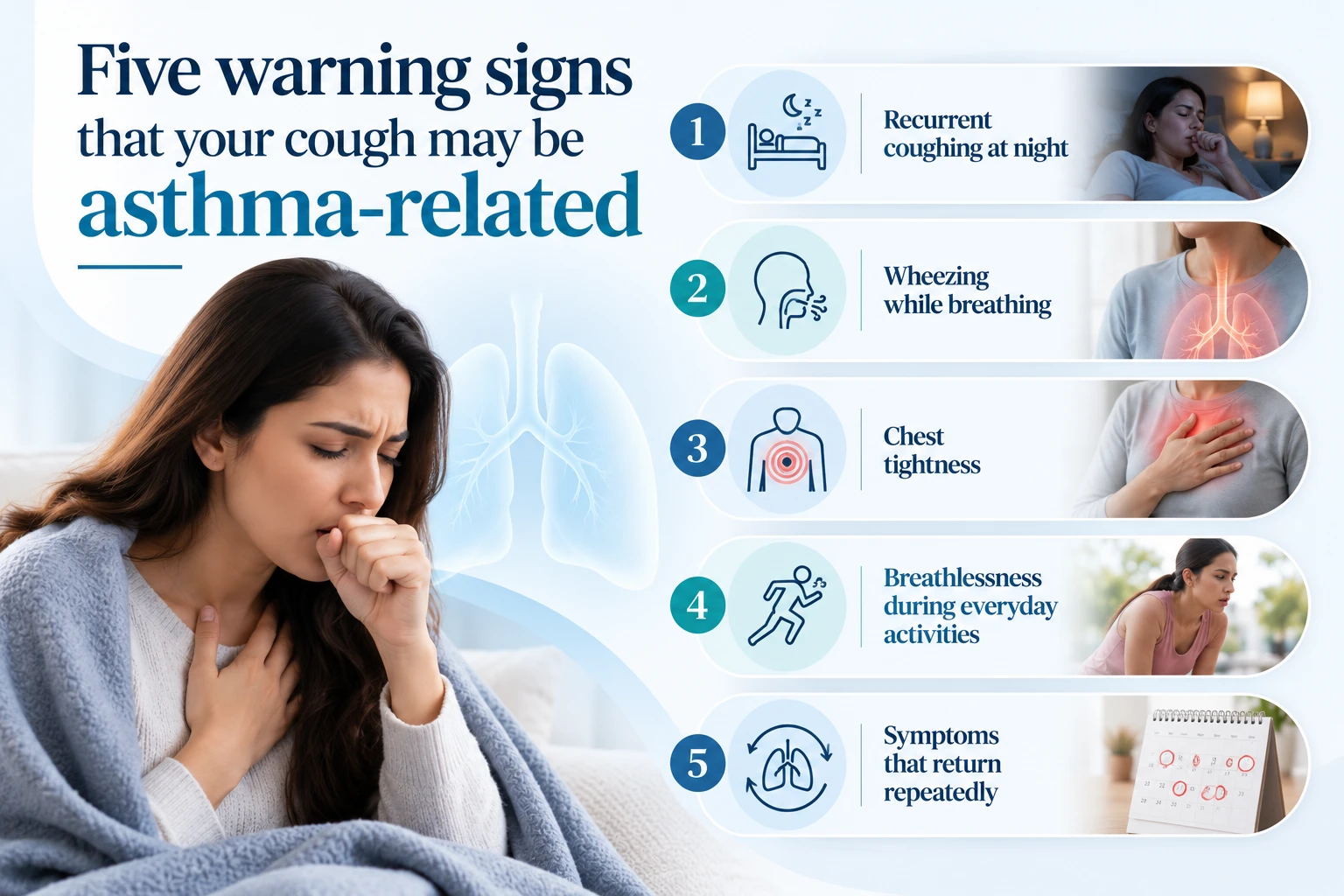
- Recurrent coughing at night: If you frequently wake up coughing or experience increased coughing during the early morning hours, it may indicate poorly controlled asthma.
- Wheezing while breathing: A whistling sound, particularly while breathing out, may indicate narrowing of the airways.
- Chest tightness: A feeling of pressure or tightness in the chest, especially when accompanied by coughing or breathlessness, should be evaluated.
- Breathlessness during everyday activities: If climbing stairs, walking quickly or performing routine activities leaves you unusually breathless, consult a doctor.
- Symptoms that return repeatedly: A cough that appears during particular seasons, after exposure to dust or while exercising may indicate an underlying allergic or asthmatic trigger.
However, these symptoms are not exclusive to asthma since other respiratory and cardiac conditions may also cause similar complaints. So, it is important to get an accurate diagnosis.
How is asthma diagnosed?
Asthma cannot be diagnosed solely on the basis of coughing or wheezing. Your doctor will evaluate your symptoms, medical history and possible environmental triggers. The investigations recommended will depend on your symptoms and clinical assessment.
Common investigations include:
Spirometry, a lung function test that measures how much air you can breathe out and how quickly you can do so.
Peak Expiratory Flow Measurement, which helps assess the speed of airflow from the lungs and may be useful for monitoring asthma.
Bronchodilator Reversibility Testing, which is sued to assess lung function before and after using a bronchodilator to determine whether airflow improves.
Allergy Testing, through skin or blood tests which in selected cases, may help identify specific allergens that trigger symptoms.
Seven ways to protect your respiratory health during seasonal changes
- Monitor your triggers: Identify whether dust, pollen, smoke, mould or sudden temperature changes aggravate your symptoms. Keeping a symptom diary may help you recognise patterns.
- Maintain indoor cleanliness: Regularly clean rooms, wash bedding and reduce dust accumulation. Address dampness and mould in your home.
- Avoid exposure to smoke: Cigarette smoke, incense smoke and other airborne irritants may worsen respiratory symptoms. Avoid exposure wherever possible.
- Be cautious during outdoor activities: If outdoor pollution or pollen aggravates your symptoms, limit exposure during periods when these triggers are particularly high.
- Protect yourself from respiratory infections: Practise hand hygiene, avoid close contact with people who are unwell and keep recommended vaccinations up to date.
- Follow your prescribed medication plan: If you have asthma, use prescribed inhalers as directed. Do not discontinue controller medication simply because your symptoms have improved.
- Maintain a healthy lifestyle: Regular physical activity, adequate sleep and a balanced diet support overall health. People with asthma should discuss an appropriate exercise routine with their doctor.
When should you seek medical attention?
Consult a doctor if you experience a cough lasting several weeks, recurring wheezing, unexplained breathlessness or repeated respiratory symptoms during seasonal changes. An asthma attack can become a medical emergency. Seek immediate help if you experience severe breathlessness, difficulty speaking in complete sentences, bluish lips, confusion or symptoms that do not improve with your prescribed rescue medication. Do not wait for the symptoms to settle on their own.
Don’t dismiss recurring cough and wheezing as seasonal discomfort
A cough that returns every autumn may seem harmless, but repeated respiratory symptoms deserve attention. Early identification of allergies, asthma and other respiratory conditions can help prevent complications and improve quality of life. The key is to understand your triggers, recognise warning signs and follow an appropriate treatment plan.
Expert Opinion
“Changing weather can trigger coughing, wheezing, chest tightness and breathing difficulties, particularly in people with asthma or seasonal allergies. While allergies may cause sneezing, a runny nose and itchy eyes, asthma often involves wheezing, breathlessness and chest tightness. Identifying triggers, recognising warning signs and following appropriate medical advice can help manage symptoms and prevent flare-ups. Persistent breathing difficulties should never be ignored, and timely medical evaluation is important for protecting lung health.”
-Consultant Pulmonologist
-Desun Hospital, Siliguri
At
Desun Hospital, Siliguri, patients can consult specialists for the evaluation and management of asthma, allergies and other
respiratory conditions.
Breathe easier this season. Listen to your lungs, recognise the warning signs and seek medical advice when necessary.
 90 5171 5171