Blood Donation Myths vs Facts: Everything You Need to Know Before Donating
June 25, 2026
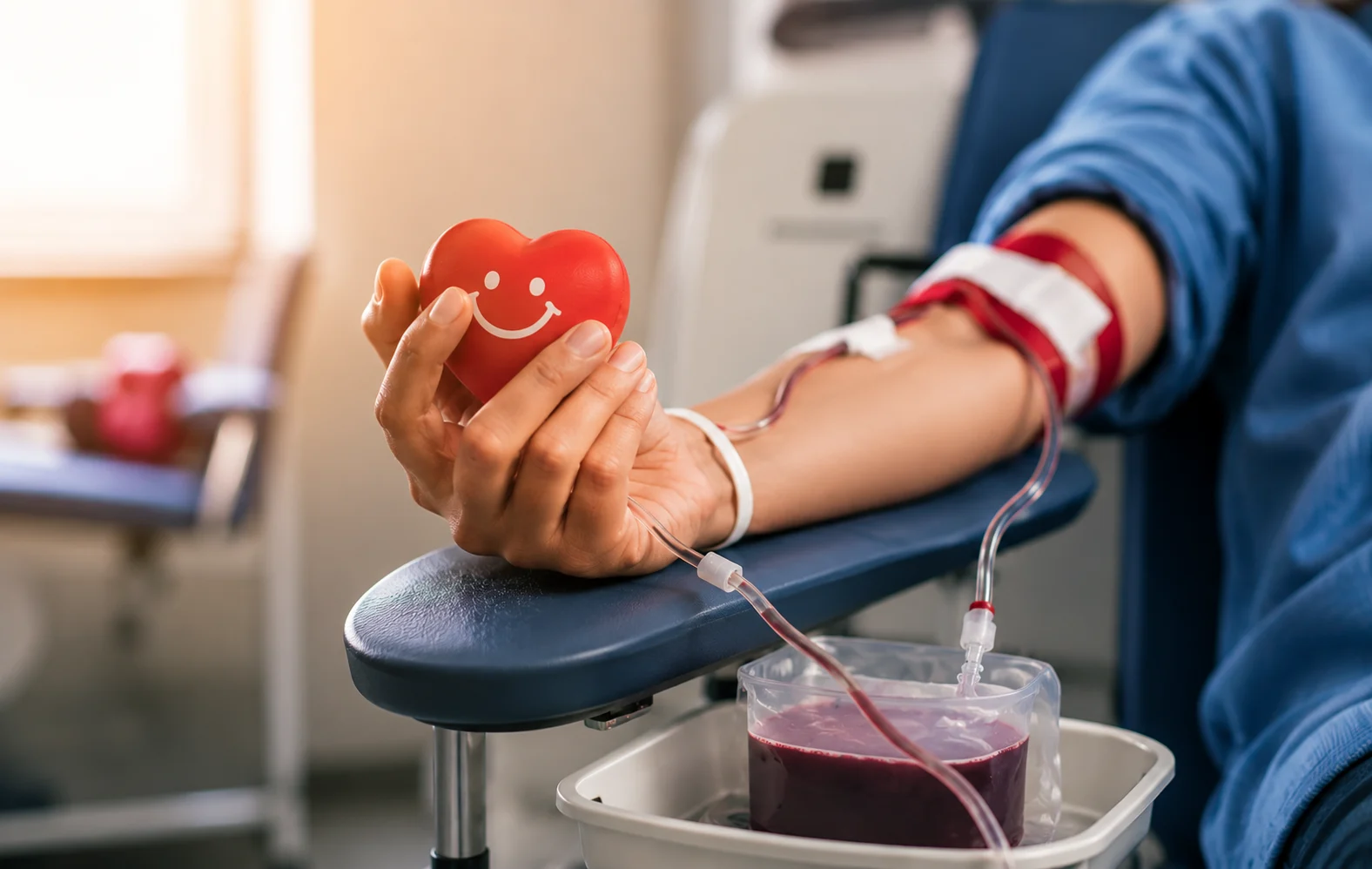
Blood donation is one of the simplest yet most powerful acts of kindness. A single unit of donated blood can help save multiple lives, supporting patients undergoing surgeries, accident victims, cancer patients, mothers during childbirth, and individuals with blood disorders. Despite its importance, many people hesitate to donate due to misconceptions and fears.
At Desun Hospital Siliguri, we believe that awareness is the first step towards creating a healthier community. So, it’s crucial to separate the myths from the facts in order to help people make an informed decision about blood donation.
Myth 1: Donating Blood Makes You Weak for a Long Time
Fact: Most healthy individuals recover quickly after donating blood. The body begins replacing lost fluids within hours and replenishes blood cells over time. Donors may feel slightly tired immediately after donation, but adequate rest, hydration, and a healthy meal are usually enough to resume normal activities. ([The Times of India][1])
Myth 2: Blood Donation is Extremely Painful
Fact: The discomfort is minimal and usually limited to a brief needle prick. The actual donation process is safe, supervised, and completed within a few minutes. Most donors report that the experience is far less uncomfortable than they had imagined.
Myth 3: You Can Catch an Infection While Donating Blood
Fact: This is completely false. Blood donation centres use sterile, single-use needles and equipment that are discarded immediately after use. There is no risk of contracting infections such as HIV, Hepatitis B, or Hepatitis C through the donation process. Blood units are also screened for transfusion-transmissible infections before being used for patients.
Myth 4: Only People with Rare Blood Groups Should Donate
Fact: Every blood group is important. Hospitals require a continuous supply of all blood types to meet emergency and routine medical needs. Whether your blood group is common or rare, your donation can make a crucial difference.
Myth 5: Women Should Not Donate Blood
Fact: Healthy women can donate blood if they meet the required eligibility criteria, including adequate haemoglobin levels and overall good health. Gender does not determine eligibility.
Myth 6: People with Tattoos or Piercings Can Never Donate Blood
Fact: Having a tattoo or piercing does not permanently disqualify a person from donating blood. Eligibility depends on specific medical guidelines and the time elapsed since the procedure. A medical screening before donation helps determine whether an individual can donate safely.
Myth 7: You Must Donate on an Empty Stomach
Fact: Donors are encouraged to eat a healthy meal and drink plenty of fluids before donating blood. Fasting is generally not recommended, as it may increase the likelihood of dizziness or discomfort.
Who Can Donate Blood?
While eligibility criteria may vary slightly, healthy adults meeting the prescribed age, weight, and haemoglobin requirements are generally eligible to donate blood after a brief medical assessment. The screening process is designed to protect both donors and recipients.
Things you need to know before you donate
To ensure a smooth donation experience:
- Get a good night's sleep.
- Eat a healthy meal before donating.
- Drink plenty of water.
- Carry a valid identity proof.
- Inform the medical team about any medications or recent illnesses.
Be Someone's Lifeline
Every day, patients depend on voluntary blood donors for survival and recovery. By donating blood, you are giving more than just a unit of blood; you are giving hope, strength, and a second chance at life.
At
Desun Hospital Siliguri, we encourage healthy individuals to become regular blood donors and help build a safer, healthier community. Your small act today could save a life tomorrow.
Donate Blood. Save Lives. Make a Difference.




 90 5171 5171